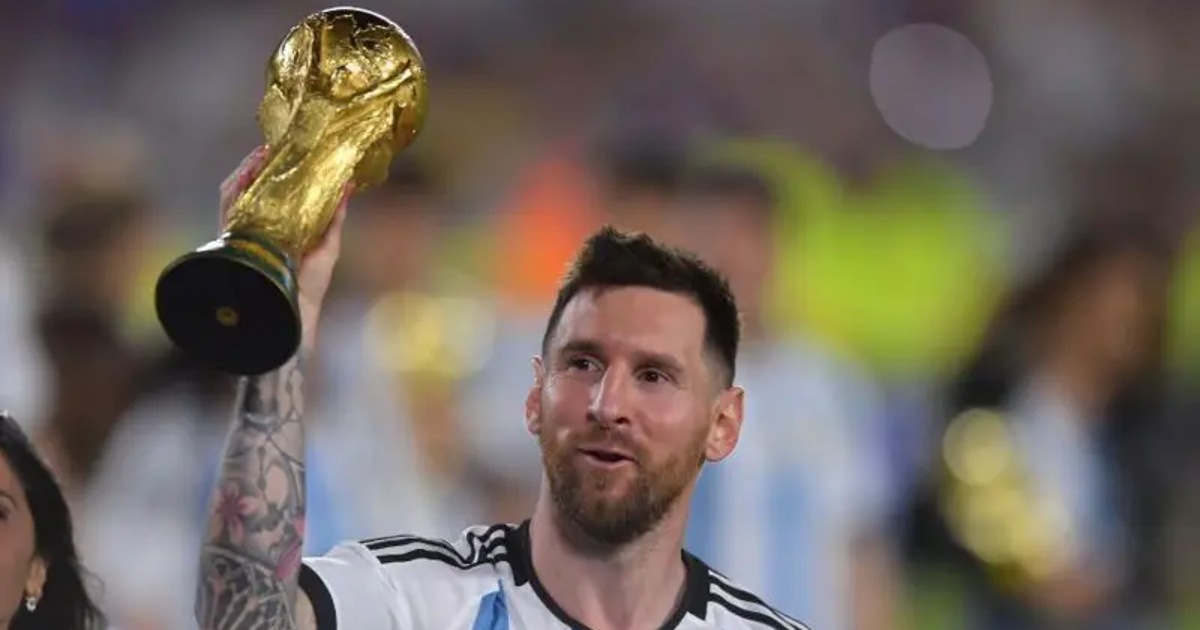
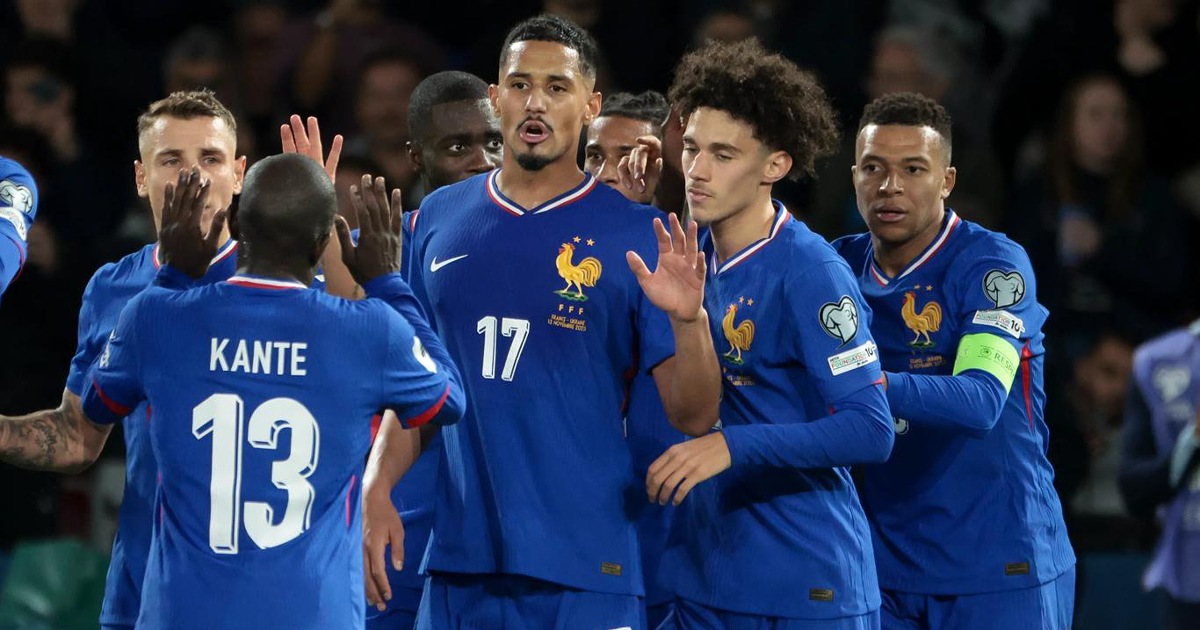
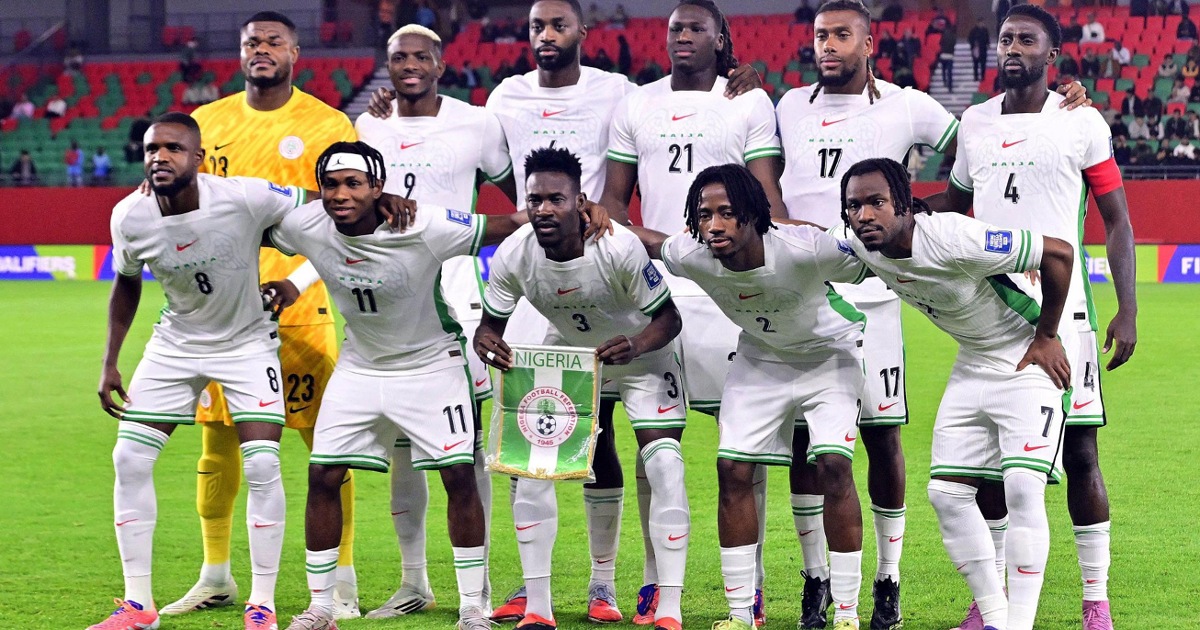
The 2026 FIFA World Cup features 48 teams from every corner of the planet. Some of them are here to win the whole thing. Some are here to make history just by qualifying. And most sit somewhere in between competitive, motivated, and carrying strengths that could make them dangerous on any given day, alongside weaknesses that their opponents will try to exploit from the opening whistle.
This is a complete guide to every team at the 2026 World Cup, their biggest strengths, their most significant weaknesses, and the honest assessment of where they stand heading into the tournament.
Group A
Mexico
Strength: Home advantage is everything for Mexico at this tournament. Playing all three group games at the Estadio Azteca, Estadio BBVA in Monterrey, and Estadio Akron in Guadalajara gives them an atmospheric edge that no ranking can quantify. The Mexican fan base is the loudest in the tournament and the familiarity of conditions will be invaluable in pressure moments. Hirving Lozano’s experience and a generation of players from European clubs give them technical quality above their ranking suggests.
Weakness: Mexico have not progressed beyond the Round of 16 in seven consecutive World Cups, a streak known as the “Quinto Partido” curse. Their squad depth beyond the first eleven is limited, and they have a historical tendency to play conservatively when leading, inviting pressure rather than pressing their advantage.
South Africa
Strength: Physical athleticism, pace in wide areas, and the emotional boost of representing the continent that hosted the 2010 World Cup. Playing their opening game against Mexico at the Estadio Azteca, a venue they share from 2010 history gives them a narrative connection to their best moment in football. Percy Tau provides technical quality and goal threat.
Weakness: Limited World Cup experience since 2010. A squad that competes primarily in domestic African football rather than elite European leagues, creating a quality gap against top-tier opposition. Inconsistent defensive organisation makes them vulnerable to quick combinations.
South Korea
Strength: Son Heung-min’s leadership and goal-scoring quality at the highest level. Kim Min-jae’s defensive authority and organisational intelligence. A technically disciplined squad with European-based players throughout. Tactically flexible and capable of pressing intensely for extended periods.
Weakness: Son is 34 and in the final years of his international career. The squad lacks a genuine second match-winner who can carry the team when Son is marked out of the game. South Korea historically struggle against physical South American sides.
Czech Republic
Strength: Organised, professional, and tactically coherent under their experienced coaching staff. Patrik Schick provides a reliable goal threat when fit, and the Czech spine of European-based professionals knows how to grind out results in competitive environments.
Weakness: Limited individual brilliance beyond Schick. No real match-winner capable of producing a decisive moment in a knockout game. Their best result, third place at the 2004 Euros feels distant from current squad quality.
Group B
Canada
Strength: Alphonso Davies is a genuine match-winner at the highest level when fully fit. Jonathan David is one of Europe’s most prolific strikers. Home support across Canadian venues will be considerable and the squad has more quality than at any point in their history. Jesse Marsch’s tactical discipline gives them a clear defensive identity.
Weakness: Canada were the weakest team in Pot 1 with an Opta Power Rating of 71.7. Their experience at the highest level is still limited and the transition from qualifying to a World Cup against Switzerland-level opposition represents a significant step up.
Switzerland
Strength: Tactically coherent, well-organised and capable of rising to the occasion against stronger opposition. Granit Xhaka’s midfield screening, Fabian Schar’s ball-playing quality, and a collective discipline that consistently outperforms their individual player quality. Only one loss in their last 12 games.
Weakness: Limited individual star power. No match-winner capable of single-handedly changing a game. They are excellent at being hard to beat but historically struggle to take the final step against top-tier knockout opposition.
Bosnia and Herzegovina
Strength: They beat Italy to get here. That single fact is the most important thing to know about Bosnia’s mentality and capability. Edin Dzeko’s final tournament adds emotional drive. A technically gifted generation of players across European leagues gives them quality throughout the squad.
Weakness: Limited World Cup experience since 2014. Defensive fragility can be exposed by pacey, direct opposition. Their best players are ageing and the squad depth beyond the first eleven is thin.
Qatar
Strength: A more experienced and better-prepared squad than the one that hosted 2022. Four years of additional development through the Aspire Academy system and more games against competitive opposition have raised their collective level. Akram Afif provides a genuine attacking threat.
Weakness: They were the first host nation in World Cup history to be eliminated in the group stage without winning a game in 2022. The step up from Asian competition to World Cup level remains significant. Physical limitations against European and South American sides remain the primary concern.
Group C
Brazil
Strength: Carlo Ancelotti has given Brazil something they have lacked for two decades — tactical structure alongside individual flair. Vinicius Junior is the most dangerous wide forward in world football. Raphinha, Endrick, and Rodrygo provide depth and variety. Brazil’s squad depth and attacking talent make them formidable opponents for any team in the tournament.
Weakness: A 24-year wait for the World Cup title reflects a recurring inability to convert quality into trophies under tournament pressure. Their defensive line can be exposed by pace in behind. Alisson’s injury-affected season raises questions about his fitness heading in.
Morocco
Strength: One of the most tactically coherent and defensively reliable teams in the tournament. Nine players from the historic 2022 semi-final squad return, giving them knockout-stage pedigree that money cannot buy. Bounou in goal is a penalty shootout specialist. Hakimi is world class at right-back.
Weakness: A new coach in Mohamed Ouahbi taking charge of his first senior tournament just months before kick-off. The departure of Regragui introduces tactical uncertainty. Breaking down organised, deep-defensive opponents remains Morocco’s most significant attacking limitation.
Scotland
Strength: Organised, disciplined, and capable of grinding out results against equally matched opponents. Playing their first World Cup in 28 years gives them the freedom of underdogs with nothing to lose. The Tartan Army’s extraordinary support provides an emotional lift that cannot be understated.
Weakness: Group C with Brazil and Morocco is almost impossibly difficult. Individual quality gap against the top two sides in the group is significant. Scotland’s ceiling in this tournament is limited by the draw rather than by the squad.
Haiti
Strength: Tremendous heart, nothing to lose, and the most remarkable qualification story of any team in the tournament. First World Cup since 1974. Every performance is a historic occasion. Derrick Etienne Jr leads the attack with pace and directness.
Weakness: Ranked 83rd in the world, Haiti face Brazil, Morocco, and Scotland in Group C. The quality gap against all three opponents is enormous. Group stage elimination is almost certain.
Group D
USA
Strength: Co-host playing in front of massive home crowds. Christian Pulisic at his best is a genuine match-winner. A young, hungry squad under Mauricio Pochettino with MLS development producing a new generation of quality. Home advantage in Texas, California, and New York is substantial.
Weakness: Inconsistent performances against top-tier opposition. The pressure of hosting creates its own psychological challenge. Their centre-back pairing has lacked consistency and could be exposed by a physical South American striker.
Turkey
Strength: A new sense of pragmatism enables Turkey to live up to the hype around their talented young team. Arda Guler and Kenan Yildiz give them elite creative quality. Hakan Calhanoglu is in the form of his life. They can beat anyone on their best day.
Weakness: Inconsistency has been Turkey’s defining trait for a decade. Individual brilliance is not matched by collective organisation. They have a tendency to underperform against physically dominant sides who press high.
Australia
Strength: The experience and mental fortitude of a squad that reached the quarter-finals in 2022. Harry Souttar’s aerial dominance, Mathew Ryan’s goalkeeping reliability, and a collective “never say die” attitude that has defined Australian football at its best. The Socceroos punch above their weight consistently.
Weakness: Lack of individual quality in the final third beyond Mitchell Duke’s physical presence. Their best performances come from defensive compactness rather than attacking brilliance, limiting their ceiling against the tournament’s elite sides.
Paraguay
Strength: A disciplined defensive unit built on South American qualifying experience. Their CONMEBOL record against more fancied opponents is consistently better than expected. Physical presence and set-piece threat give them a route to goals even against organised defences.
Weakness: Limited individual quality in attacking areas. Their best players come from mid-table European clubs rather than the elite level. Goal-scoring is a persistent challenge. Group D with USA and Turkey is tough.
Group E
Germany
Strength: Florian Wirtz and Jamal Musiala are the most exciting creative midfield partnership in the tournament. A rebuilt squad under Nagelsmann that plays with genuine freedom and attacking intent. Even a mediocre German team is still German, they will still be a force to be reckoned with this summer.
Weakness: High defensive line exposed by pace in behind. Germany collapsed in the 2022 group stage and carry the psychological weight of recent tournament disappointment. Their defensive unit is still finding its optimal combination.
Ecuador
Strength: Best defensive record in CONMEBOL qualifying, five goals conceded in 18 games and 12 clean sheets. Willian Pacho and Moises Caicedo are world-class defensive talents. A collective, well-drilled unit that is genuinely difficult to break down.
Weakness: Their attacking options are limited beyond Enner Valencia’s experience. Unable to consistently create and convert high-quality chances against organised defensive systems. They draw too many games.
Ivory Coast
Strength: Physically powerful across the squad with European-based quality. Franck Kessie provides midfield energy and experience. A squad built to compete physically and technically against any team at this level. Their Africa Cup of Nations experience translates to tournament football well.
Weakness: Group E against Germany is a very tough opening. Their finishing in front of goal has been inconsistent. The squad lacks a world-class striker capable of converting the opportunities their system creates.
Curacao
Strength: The qualification story is their greatest asset. Dutch-born players naturalised through colonial links give them unexpected technical quality. Dick Advocaat’s coaching experience provides tactical structure that their squad would not otherwise have. Curacao have the talent to hold their own at the World Cup.
Weakness: At 117th in the world by Opta Power Rankings, they are the weakest team at the tournament. Facing Germany in their first ever World Cup game. The quality gap against all three group opponents is significant.
Group F
Netherlands
Strength: Virgil van Dijk’s captaincy and defensive authority. Ryan Gravenberch’s midfield control. Cody Gakpo’s attacking directness. A technically accomplished squad with European Champions League quality throughout. Opta rates Netherlands at 88.7 and identifies Group F as the tournament’s strongest by average team quality.
Weakness: Historically underachieve at major tournaments despite talented squads. Van Dijk at 34 is on the final stretch. Their midfield transition defending can be exploited by direct, pacey opponents.
Japan
Strength: Beat Germany and Spain at the 2022 group stage. Beat Brazil in a recent friendly. Tactically disciplined under a coach who maximises collective organisation over individual talent. Zion Suzuki in goal is an exciting young talent. A squad that consistently outperforms its ranking.
Weakness: Key midfielders Wataru Endo and Takumi Minamino both carrying injury concerns. Confidence is waning considering injuries to key midfielders, their most visible players with the most big-game experience.
Sweden
Strength: Technically sound and well-organised despite lacking the star quality of their strongest generations. The 4-1 rout that secured their qualification illustrated genuine attacking capability. Dan Ndoye provides pace and direct running. Breel Embolo is a proven goal scorer at international level.
Weakness: No player capable of winning a game single-handedly against elite opposition. Group F with Netherlands and Japan limits their realistic ceiling to competing for third place. Physical and aerial vulnerability at set pieces.
Tunisia
Strength: A regular qualifier with defensive solidity and experience of competing against top European sides. The Eagles of Carthage will be uplifted by their 1-1 draw against Brazil, and a shared confidence from qualifying could deliver a surprise victory against Sweden.
Weakness: Inconsistent form in 2025 ahead of the tournament. Limited attacking creativity beyond set pieces. Their best individual talent, Wahbi Khazri, has faded from his peak years.
Group G
Belgium
Strength: Thibaut Courtois in goal is one of the best shot-stoppers in the world. Kevin De Bruyne, even at 35, can still unlock any defence with a single pass. Romelu Lukaku’s physical presence gives them a different attacking dimension to any other team in the group. With their Golden Generation now firmly in the past, Belgium arrive with less pressure and expectation, which could work in their favour.
Weakness: The golden generation’s twilight creates a squad in transition. Jeremy Doku and Lois Openda are talented but inconsistent. Without De Bruyne firing, Belgium’s creativity drops significantly.
Egypt
Strength: Mohamed Salah’s presence transforms every game Egypt plays. His scoring record, his leadership, and the fear he creates in opposing defences make Egypt a genuine threat to any team in Group G. The Egyptian defensive unit is well-organised and difficult to break down.
Weakness: Salah’s staggering drop in form in 2025-26 ahead of a huge tournament is alarming for Egyptian fans. The squad is almost entirely dependent on Salah creating and scoring. Without him firing, Egypt have limited alternative routes to goals.
Iran
Strength: Iran has hovered around the top 20 in FIFA’s world rankings. Team Melli went on a fine run of form in 2024, losing just once in 14 fixtures. Asia’s most experienced World Cup nation with a strong defensive identity and tactical discipline built over decades.
Weakness: Despite their ranking, Iran has won only two World Cup games since 2005. Their performances against top-tier opposition have been consistently below what the ranking suggests. Recent form has tapered off with four losses in 12 games in 2025.
New Zealand
Strength: Chris Wood’s aerial presence and physical ability to hold up play against experienced defenders. A squad that competes with genuine heart and has produced competitive performances against higher-ranked nations in friendlies. OFC’s best team by a significant margin.
Weakness: The lowest-ranked team in the tournament at 85th. Their highest-ever position was 47th in 2002 and they have lost ground since. The quality gap against Belgium, Egypt, and Iran is significant across all areas of the pitch.
Group H
Spain
Strength: After winning Euro 2024 in style, Spain arrive as one of the clear favourites. They are strong in every area of the pitch, with elite quality in defence, midfield and attack, and arguably no obvious weakness in the squad. Reigning European champions. World’s second-ranked team. Rodri, Pedri, Yamal, and a squad of extraordinary depth.
Weakness: Lamine Yamal’s hamstring concern is the only significant cloud over their preparation. Their recent Nations League form, conceding 13 goals in five games exposed defensive fragility when the press breaks down. Rodri’s fitness remains the single most important variable.
Uruguay
Strength: Physical intensity, tactical discipline, and the collective mentality of a squad that treats every World Cup as a chance to remind the world who they are. Valverde and Ugarte are two of the best midfielders in world football. Jose Maria Gimenez leads the defence with authority.
Weakness: Group H against Spain is their opening obstacle. Their attacking options beyond Darwin Nunez and Rodrigo Bentancur’s energy are limited. Can struggle to create chances against deep, organised defensive systems.
Saudi Arabia
Strength: They beat Argentina in 2022, proof that their tactical setup and collective pressing system can overwhelm far superior opponents on a given day. A well-drilled unit under experienced coaching with genuine quality in wide areas.
Weakness: The 2022 result created expectations that their squad cannot consistently meet. Their club football is improving but still significantly below the European level of their group stage opponents. The gap in individual quality is exposed across 90 minutes against elite sides.
Cape Verde
Strength: Compact and physically resilient with a Portuguese football heritage that gives them technical quality beyond what their ranking suggests. Beat Cameroon in qualifying. A debut World Cup squad with nothing to fear and everything to gain.
Weakness: Group H with Spain and Uruguay is a severe trial for a tournament debutant. Limited depth beyond the first fifteen players. Goal-scoring against world-class defenders will be the defining challenge.
Group I
France
Strength: The most complete squad at the tournament. France boast unmatched depth. Kylian Mbappe remains the world’s most dangerous forward, supported by a formidable defence. Les Bleus enter as clear favourites. 91 goals and 46 assists from their four main attackers combined in this club season alone.
Weakness: High defensive line exposed by pace in behind, Argentina proved it in the 2022 final. Recent Nations League form showed defensive fragility. Too many individual egos to manage in a single squad is the perennial concern for Deschamps.
Senegal
Strength: Physical power, defensive organisation, and attacking quality across multiple positions. Koulibaly’s leadership and Mendy’s goalkeeping excellence give them a rock-solid defensive foundation. Nicolas Jackson at Chelsea is a prolific club scorer who can transfer that form internationally.
Weakness: Group I with France and Norway is arguably the toughest group assignment of any African team. Sadio Mane is ageing and less explosive than his peak years. The squad is caught between generations, with some stalwarts fading and younger players not yet ready to fully carry the burden.
Norway
Strength: Erling Haaland. That is both the full analysis and the complete summary. 55 international goals in 49 appearances. 16 qualifying goals in 8 games. The most efficient striker in the history of international football. Martin Odegaard gives him the service he needs. First World Cup in 24 years adds emotional motivation.
Weakness: Norway need Haaland’s goals if their dark horse story is to come to fruition. Beyond Haaland and Odegaard, the squad depth is limited. Group I against France and Senegal is the toughest possible opening for a team returning to the World Cup after two decades away.
Iraq
Strength: Back in the World Cup for the first time in 40 years. A proud football culture and a motivated squad representing a nation that has overcome extraordinary difficulties to participate on the global stage. Genuine collective spirit and nothing to lose.
Weakness: Group I against France, Senegal, and Norway is the toughest possible draw for a team returning after 40 years. Quality gap is significant in all areas. Getting competitive performances is the realistic target.
Group J
Argentina
Strength: Defending world champions with the most decorated goalkeeper in penalty shootouts, the world’s greatest player in his final tournament, and a squad that does not depend on Messi to perform. Mac Allister, Enzo Fernandez, Lautaro Martinez, and Romero give them world-class quality across every position.
Weakness: Multiple injury concerns including Messi’s hamstring, Martinez’s fractured finger, and Romero’s knee. High defensive line vulnerable to pace in behind. Argentina’s biggest defensive weakness is the pace-behind vulnerability that France exploited in the 2022 final.
Algeria
Strength: A disciplined, physical North African side with genuine quality in attacking midfield areas. Opening against Argentina, facing Messi is the biggest game in Algerian football history. The emotional occasion alone will elevate their performance. Riyad Mahrez’s experience provides creative quality from wide areas.
Weakness: Group J with Argentina, Austria, and Jordan sees Algeria competing directly with Austria for second place. Their recent form has been inconsistent and the squad depth beyond the first eleven is limited.
Austria
Strength: Powered by a strong midfield, Austria could give Argentina problems in Group J. Marcel Sabitzer’s creativity, Christoph Baumgartner’s goalscoring runs from midfield, and Ralf Rangnick’s tactical intelligence give them a clear and effective identity. A Bundesliga-heavy squad with genuine European-level quality.
Weakness: First World Cup since 1998. The step up from European qualifying to World Cup knockout football is significant. Physical limitations against South American sides with superior athleticism could be exposed.
Jordan
Strength: Jordan is now an organised, competitive squad with a clear identity. Their World Cup qualifying campaign was outstanding, unbeaten in eight of 10 matches. They reached the AFC Asian Cup final. A genuine team identity rather than just a collection of individuals.
Weakness: Group J with Argentina, Austria, and Algeria represents an enormous quality gap. First-ever World Cup appearance against three technically superior opponents. Limited experience of competing at this intensity level.
Group K
Portugal
Strength: Bruno Fernandes is one of the best attacking midfielders in the tournament. Ruben Dias is the most decorated centre-back in Premier League history. Rafael Leao provides pace and direct running that can unlock any defensive system. Ronaldo’s final tournament motivates the entire squad. A favourable group gives them the platform to build momentum.
Weakness: Fitting Ronaldo into the team while maintaining tactical balance is the primary challenge. Coach Roberto Martinez has already hinted Ronaldo is not guaranteed to start, creating potential squad tension. Over-reliance on Fernandes when Ronaldo is not performing.
Colombia
Strength: Colombia are actually the top-rated team in Group K according to Opta Power Rankings at 90.1, above Portugal’s 87.0. Luis Diaz is one of the best wide forwards in the tournament. James Rodriguez provides the creative dimension that makes Colombia genuinely dangerous. Unbeaten since a 2-1 loss in Brazil over a year ago.
Weakness: Over-dependent on Luis Diaz and James Rodriguez being simultaneously available and in form. If either is injured or below their best, Colombia’s attacking quality drops significantly. Defensive organisation under pressure against top European sides can break down.
Uzbekistan
Strength: A first-time qualifier built on years of youth development investment. Key player Abdukodir Khusanov plays for Manchester City. Fabio Cannavaro as coach brings World Cup-winning mentality and tactical structure. A squad motivated by the historic nature of their appearance.
Weakness: Almost the entire squad plays domestic football rather than elite European leagues. Facing Portugal and Colombia represents the biggest quality step they have ever encountered. Group stage elimination is the almost certain outcome.
DR Congo
Strength: Physical athleticism, pace in wide areas, and individual talent spread across European club football. Their intercontinental playoff success showed they can compete with other confederations’ qualifying sides. A proud footballing nation with enormous domestic passion for the game.
Weakness: Limited structural organisation at the highest level. The step up from intercontinental playoff football to facing Portugal and Colombia is enormous. Their best chance is against Uzbekistan for a potential third-place advance.
Group L
England
Strength: Harry Kane, Jude Bellingham, Declan Rice, Bukayo Saka, one of the most talented starting elevens England have ever assembled. Perfect qualifying record, eight wins and zero goals conceded. Tuchel’s tactical sophistication gives them a structural discipline previous England managers lacked.
Weakness: England have a long history of underperforming at major tournaments despite strong squads. Tuchel’s first major international tournament raises questions about knockout preparation. Centre-back combinations remain inconsistent.
Croatia
Strength: Luka Modric’s final tournament adds emotional motivation to a squad that has finished second and third at the last two World Cups. Mateo Kovacic’s midfield intelligence, Josko Gvardiol’s defensive quality, and a collective tournament experience that younger squads cannot replicate.
Weakness: Modric at 40 cannot cover the ground he once did. The squad is ageing and the next generation is not yet ready to fully take over. Group L against England represents the steepest group stage challenge they have faced in years.
Ghana
Strength: A young squad with quality from Premier League and top European clubs. Jordan Ayew’s experience, Thomas Partey’s midfield authority when fit, and a physical directness that makes them difficult to defend against in transition.
Weakness: Thomas Partey’s recurring injury history is a genuine concern. Without him, Ghana’s midfield loses its organising intelligence. Their defending at set pieces has been a persistent weakness in recent tournaments.
Panama
Strength: Disciplined, organised, and collectively hard to break down. Their CONCACAF experience against physical, direct opposition has built a resilient defensive structure. England, Croatia, and Ghana will not fancy playing a Panama side that is collectively strong and tough to break down.
Weakness: Limited individual quality in attacking areas. Group L against England and Croatia is extremely difficult for a team whose primary strength is defensive rather than creative. Unlikely to advance beyond the group stage.
In summary, Every team at this World Cup has earned the right to be here. Every team has strengths worth respecting and weaknesses that their opponents will target. The tournament’s beauty is that none of those assessments mean anything once the referee blows the whistle on any given day, in any given game, the team with the most desire and the fewest mistakes wins.
The 2026 World Cup will produce results that this guide did not predict and moments that none of these analyses foresaw. That is what makes it worth watching every single game.
Sources: Star Sports, IBTimes, Opta Analyst, Bleacher Report, FOX Sports, Tips GG, beIN Sports